TABLE OF CONTENTS
Key Takeaways What’s the Difference Between a Vitamin and a Supplement? The Sugar Bomb in a Wellness Wrapper Gummy Vitamins and Tooth Decay Gummy Vitamins vs Pills Gummy Label Lies Gummy Supplement Drawbacks Nobody Talks About The Problem With Vegan Gummies Are Gummies Actually Effective? Kids and Gummies When Gummies Might Make Sense Conclusion Frequently Asked Questions
Key Takeaways
Gummy supplements are often underdosed, over-sugared, and overly cute
Sugar in supplements adds up fast—check your labels
Gummy vitamins and tooth decay are more connected than you’d think
Gummy vitamins vs pills? Pills win on stability, dosage, and value
Supplement label accuracy is iffy at best with gummies
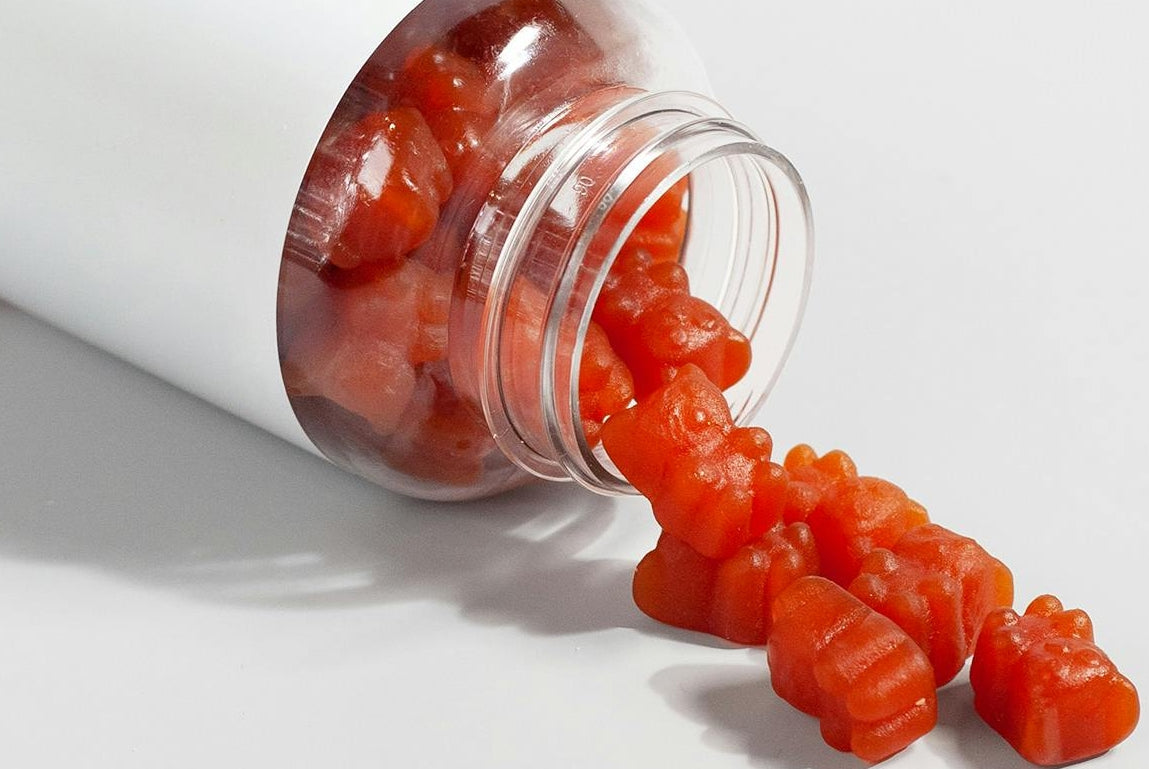
Brightly colored. Sweet and squishy. Promising everything from deeper sleep to longer hair to glowing skin. Gummy supplements have come for your medicine cabinet and your sweet tooth. And sure, popping a gummy is more fun than choking down a horse pill, but are these chewable cuties actually good for you?
Let’s unwrap the truth. Spoiler: it’s stickier than you think.
What’s the Difference Between a Vitamin and a Supplement?
Let’s clear this up real quick:
Vitamins are specific organic compounds your body needs in small amounts to function. Think Vitamin C or D
Supplements include vitamins, but also minerals, herbs, amino acids, and other compounds meant to support your diet
So all vitamins are supplements, but not all supplements are vitamins. Kind of like how all squares are rectangles, but way chewier and less geometry.

All Sugar, No Substance: The Great Gummy Trade-Off
Gummy supplements might be easy on the tongue, but they’re often light on nutrients. Most vitamins and minerals are chunky chemical compounds that don’t fit nicely in a tiny bear-shaped snack. So manufacturers either:
Slash the dose (congrats, you’re getting 12 percent of your daily iron... maybe)
Make you take a whole handful (four gummies equals one serving? Cool, so dessert now counts as wellness?)
Or pump in extra nutrients to make up for losses. One day you're underdosing, the next day you're taking a megadose of vitamin C like you're prepping for a pirate voyage
If you’re using gummies to support your immune system, energy levels, or sexual wellness goals, you might be getting more fluff than function.
Gummy Label Lies: What’s Actually Inside?
Recent tests found some melatonin gummies had up to 347 percent more melatonin than listed. Others secretly included CBD.
If you’re trying to support sleep, hormone health, or sperm quality (shoutout to Popstar Volume + Taste Supplement), that surprise dose is not the vibe. Pills tend to offer better dosing consistency and quality control.
The Sugar Bomb in a Wellness Wrapper
Some gummy brands pack 2 to 8 grams of sugar per serving. That’s like dropping a teaspoon of sugar into your mouth and calling it self-care.
Stack a few different types throughout your day and you’re creeping toward the daily sugar limit before dessert even enters the chat.
And don’t be fooled by “sugar-free” either. Sugar alcohols like xylitol can bring, ahem, explosive results.
Gummy Vitamins and Tooth Decay: A Love Story
Sticky. Chewy. Acidic. Gummy supplements cling to your teeth like your ex clings to your HBO login.
Even the ones labeled “tooth-friendly” often contain citric or malic acid, which wears down enamel over time. If you’re not brushing right after, your dentist might notice before you do.
Gummy Vitamins vs Pills: Spoiler, Pills Win
Traditional supplements are boring. But they work. Pills and capsules can pack more nutrients, are easier to store, and are less likely to show up melted together in a sad gummy puddle.
Gummies break down faster, are more prone to heat and moisture damage, and often can’t match the potency of their pill counterparts.
Gummy Supplement Drawbacks Nobody Talks About
Let’s recap the lesser-known issues:
Nutrients degrade faster in gummy form
Labels aren’t always accurate
Artificial dyes still common (hello, Red 40)
Child safety concerns. Accidental overdoses are on the rise
The Problem With Vegan Gummies
Pectin instead of gelatin? Great. But many vegan gummies are loaded with added sugar to achieve the right texture.
Gelatin equals bounce
Pectin equals glue-on-your-molars chewy
Your dentist might have thoughts.
Are Gummies Actually Effective?
Sometimes, yes. But if we’re talking bioavailability, consistency, and potency, pills win.
Gummies may be more palatable, but that doesn’t make them the better choice. What’s the point of a vitamin if it doesn’t deliver the goods?
Kids and Gummies: The Poison Control Problem
Gummies taste like candy. Kids treat them like candy.
That combo has led to a surge in accidental overdoses, especially with melatonin. If your supplements look like gummy bears, store them like they’re prescription meds.
When Gummies Might Make Sense
Gummies aren’t all bad. They can work for:
People who can’t swallow pills
Travel days without water
People who wouldn’t take supplements otherwise
If you're going the gummy supplement route, choose brands that are USP verified, avoid artificial dyes, and opt for sugar-free if your gut agrees.
The Bottom Line
From inaccurate supplement label accuracy to vitamin degradation in gummies, the list is long. Even vegan gummy supplements come with concerns like artificial dyes in supplements, sugar in supplements, and digestive side effects. If you’re wondering are gummy supplements effective or what’s the best form of vitamins, experts still recommend pills or capsules over chewables.
Conclusion: Gummy Lovers, Chew With Caution
Gummies are fun. Gummies are flirty. But when it comes to real health benefits, they might be more snack than supplement. They melt, decay, underdeliver, and hide way more sugar than you’d expect. For real results in areas like testosterone, fertility, or stamina, skip the chewables and go with something that delivers.
Need something that works? Try Popstar Volume + Taste Supplement and get back to feeling like yourself again.

Frequently Asked Questions
Are gummy supplements effective?
They can be, but they usually offer less consistent doses and degrade faster than pills.
Do gummy vitamins have side effects?
Yes. Bloating, cavities, sugar crashes, or accidental overdoses in kids.
Are gummy supplements safe for kids?
Only if tightly supervised. They look and taste like candy, which leads to accidental overconsumption.
What are the gummy supplement drawbacks?
Unstable nutrients, high sugar content, misleading labels, and bad dental impact.
What’s the best form of vitamins?
Capsules or tablets. Not as cute, but way more reliable. Your body will thank you.

Dr. Joshua Gonzalez
Dr. Joshua Gonzalez is a board-certified urologist who is fellowship-trained in Sexual Medicine and specializes in the management of male and female sexual dysfunctions. He completed his medical education at Columbia University and his urological residency at the Mount Sinai Medical Center. Throughout his career, Dr. Gonzalez has focused on advocating for sexual health and providing improved healthcare to the LGBTQ+ community.

Dr. Brian Steixner
Dr. Brian Steixner is a board-certified urologist and an expert in men’s sexual medicine. He completed his General Surgery and Urology training at The University of Pennsylvania and The Children’s Hospital of Philadelphia, one of the busiest and most comprehensive programs in the nation. During his career, Brian has treated thousands of men with sexual health issues including male factor infertility.