


What Is Anal Lube?
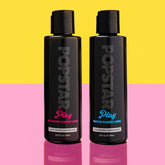
Anal lube, also known as anal lubricant or lube for anal, is a specially formulated product designed to reduce friction, increase comfort, and protect delicate tissues during anal penetration—whether for sexual purposes, anal play, or medical procedures involving the rectum. Because the anal canal and rectum do not naturally produce lubrication (unlike the vagina), using an external anal lube is considered essential for maintaining safety, preventing tissue damage, and enhancing pleasure during any type of anal activity.
Anal lube is typically available in water-based, silicone-based, or oil-based varieties. Each formulation offers unique advantages, best-use scenarios, and compatibility considerations, particularly relevant for men’s health and sexual wellbeing. The right anal lube not only reduces discomfort and risk during anal sex and play but also supports open communication, trust, and intimacy between partners.
Key Point: Anal lube is more than a comfort product—it's a fundamental tool for safer, more enjoyable, and healthier anal experiences for men and their partners.
Key Takeaways
- Anal lube is a lubricating product specifically formulated for anal sex and play.
- The rectum does not produce natural lubrication; external anal lube is vital for safe and comfortable penetration.
- Formulations include water-based anal lube, silicone anal lube, and oil-based lubes, each with unique pros and cons.
- Anal lubricant minimizes friction, pain, microtears, and tissue injury during anal penetration.
- Anal lube for men is also used in medical contexts, such as rectal exams or suppository administration.
- Compatibility with condoms and sex toys varies by lube type.
- Choosing the best anal lube involves considering skin sensitivity, partner preferences, and intended use.
- Proper application, hygiene, and aftercare are important for reducing risks.
- Allergic reactions and irritation are rare but possible, especially with certain ingredients.
- Persistent discomfort or bleeding after using anal lube warrants medical advice.
Table of Contents
- What Is Anal Lube?
- How Does Anal Lube Work in Men's Sexual Health?
- What Are the Core Benefits of Anal Lube?
- What Types of Anal Lube Are Available?
- How Do You Choose the Best Anal Lube?
- How Should Anal Lube Be Used Safely and Effectively?
- What Are the Potential Risks and Side Effects of Anal Lube?
- How Does Anal Lube Affect Consent, Communication, and Relationships?
- Who Should Avoid Anal Lube or Use with Caution?
- Statistics and Evidence: Anal Lube Use and Safety
- Frequently Asked Questions About Anal Lube
- References and Further Reading
- Disclaimer
How Does Anal Lube Work in Men's Sexual Health?
Anal lube refers to lubricants specifically created or marketed to address the unique requirements of anal penetration, where the risk of irritation or injury is higher due to the rectum's lack of natural lubrication. Unlike general or vaginal lubricants, anal lubes are typically more viscous (thicker), providing longer-lasting slip and protection for sensitive rectal tissues.
In men's sexual health, anal lube is commonly used for anal sex, prostate stimulation, solo anal play, and during certain medical procedures, such as digital rectal exams or suppository insertion. Key differences between anal lubes and standard lubricants include:
- Extra-thick and long-lasting: Specialized for anal tissue's dryness and susceptibility to microtears.
- Formulated for sensitivity: Often free of fragrances or irritants commonly found in general lubes.
- Designed to work when there is zero natural moisture: Compensates for the rectum’s lack of lubrication.
Did you know? Because the rectum cannot self-lubricate, using a well-formulated anal sex lube dramatically reduces the risk of pain, burning, or microtears that can result from friction during anal play.
What Are the Core Benefits of Anal Lube?
Using the right anal lubricant offers numerous physical, health, and psychological advantages—serving not just comfort but also safety and relationship quality.
Physical and Sensual Benefits
- Reduces friction: Prevents pain, burning sensations, and tearing of delicate tissue.
- Protects sensitive lining: Cushions and shields rectal tissues from microtrauma.
- Enhances pleasure: Smoother glide increases enjoyment and allows for more exploration.
- Extends duration of play: Some lubes keep their slipperiness for longer sessions.
Health and Safety Benefits
- Lowers injury risk: Microtears can lead to pain, bleeding, or increased risk of infection—anal lube lowers these dangers.
- Improves condom use: Proper lube use decreases the likelihood of condom breakage, supporting safer sex practices (CDC).
- Assists with medical procedures: Makes rectal exams, enemas or suppository use more comfortable.
Psychological and Relational Benefits
- Reduces anxiety: Trusting that comfort will be maintained leads to greater mental relaxation during anal play.
- Builds communication and trust: Selecting and applying lube together encourages open conversations and consent between partners.
Key Point: Anal lubricants are linked to lower rates of condom breakage and injury, and higher satisfaction during anal sex when used correctly (PubMed PMID: 28493341).
What Types of Anal Lube Are Available?
Anal lubes come in several primary types, each with specific properties, ideal use cases, and compatibility factors. The choice depends on intended activity, personal preferences, skin sensitivity, and equipment (condoms or toys) involved.
1. Water-Based Anal Lube
- Ingredients: Water, with thickening agents (like glycerin or cellulose).
- Pros: Safe for use with latex and polyisoprene condoms; compatible with all sex toy materials; easy to clean up; gentle for sensitive skin.
- Cons: May dry out faster and require more frequent reapplication.
2. Silicone Anal Lube
- Ingredients: Silicone compounds (e.g., dimethicone, cyclopentasiloxane).
- Pros: Longest-lasting; maintains slipperiness in water (e.g., shower), and rarely requires reapplication.
- Cons: Not recommended with silicone sex toys (can cause degradation); more difficult to wash off skin or fabrics.
3. Oil-Based Anal Lube
- Ingredients: Natural or synthetic oils (e.g., coconut oil, mineral oil).
- Pros: Very moisturizing; long-lasting; can feel more natural; good for those not using latex condoms.
- Cons: NOT safe with latex condoms (increases breakage risk); can clog pores; sometimes stains sheets or clothing.
Quick Facts Table: Anal Lube Types
| Type | Condom Compatible | Toy Compatible | Cleanup | Duration | Best Use Cases |
|---|---|---|---|---|---|
| Water-based | Yes (latex, poly) | All toys | Easy (water) | Moderate | Anal sex, toys, sensitive skin |
| Silicone-based | Yes (latex, poly) | Not silicone toys | Harder (soap) | Long | Extended sessions, shower, anal play |
| Oil-based | No (not latex) | Some toys | Hard (soap) | Long | No condom use, moisturization |
Key Point: If using latex condoms, never use oil-based anal lube—it can weaken condoms and lead to breakage (CDC - Condoms and Lubricants).
How Do You Choose the Best Anal Lube?
Selecting the best anal lube depends on your body, your sexual activities, and what makes you or your partner feel most comfortable.
Considerations for Choosing Anal Lube
- Ingredient Sensitivity: If you have allergy-prone or sensitive skin, look for hypoallergenic, fragrance-free, and paraben-free products. Avoid glycerin if prone to yeast infections.
- Viscosity (Thickness) & Longevity: Thicker lubes tend to be safer and more comfortable for anal play; silicone lubes often last longest.
- pH Compatibility: Neutral pH is gentlest for sensitive rectal tissues. Anal-specific lubes are typically formulated accordingly.
- Condom & Toy Compatibility: Use water-based or silicone-based lubes with most condoms. For use with silicone toys, stick with water-based lubes.
- Personal & Partner Preference: Some people prefer a certain sensory feel (slipperiness, warmth, odor), or natural versus synthetic ingredients.
Scenario Example:
If you plan extended anal sex using both latex condoms and silicone toys, a thick, water-based anal lube labeled as "anal-safe" and "latex compatible" is often your best bet.
How Should Anal Lube Be Used Safely and Effectively?
To maximize both pleasure and safety, follow best practices when using anal lube:
Stepwise Guide for Safe Anal Lube Use
- Hygiene: Wash your hands, anus, and any toys thoroughly before starting.
- Warm the lube: Dispense into your hand and let it reach body temperature for added comfort.
- Generous Application: Coat the external anus, insertion object (toy or penis), and the inside/outside of the condom (if used).
- Go slowly: Start with shallow penetration and wait for tissues to adjust.
- Reapply as needed: If friction, pain, or dryness occur, add more lube liberally.
- Monitor comfort: Check in with yourself or your partner throughout the experience.
- Aftercare: Gently wash the area and all toys after use to avoid irritation or lingering buildup.
- Toy care: Follow manufacturer guidelines for cleaning sex toys after use.
Did you know? Silicone-based anal lubes may require mild soap and warm water for complete removal after play.
What Are the Potential Risks and Side Effects of Anal Lube?
While anal lube is very safe for most, certain risks or drawbacks can arise in rare cases:
- Allergic reactions: Redness, irritation, itching, or swelling—especially if sensitive to fragrances, parabens, or other additives.
- Lube incompatibility: Oil-based lubes quickly degrade latex condoms (increasing breakage risk) and can clog pores.
- Residue buildup: Silicone or oil-based lubes may leave behind residues, requiring extra cleaning.
- Infection risk: Not usually due to the lube itself, but from microtears or insufficient hygiene.
- Microbiome imbalance: Especially if lube is used between anal and vaginal penetration without proper precautions.
Risks vs. Ways to Reduce Risk
| Common Risk | How to Reduce It |
|---|---|
| Allergic reaction | Use hypoallergenic or paraben-free brands; perform a patch test. |
| Condom break | Never use oil lube with latex condoms; check product compatibility. |
| Toy degradation | Avoid using silicone lube on silicone toys. |
| Infections | Emphasize hygiene and avoid rough, forceful play. |
If you notice persistent pain, bleeding, unexpected discharge, or rash after using anal lube, discontinue use and consult a healthcare provider.
How Does Anal Lube Affect Consent, Communication, and Relationships?
Anal lube plays a critical role in supporting not only physical safety but also the psychological and relational aspects of sexuality for men and their partners.
- Consent: Applying lube signals a priority on mutual comfort and boundary-respecting intimacy.
- Communication: Discussing lube preferences and use encourages open conversations about sexual needs and boundaries.
- Emotional comfort: Less risk of pain or embarrassment fosters a relaxed, trusting environment.
Tips for Discussing Anal Lube with Partners
- Ask about previous experiences or sensitivities to lube types.
- Agree on safewords or cues to pause activity if discomfort occurs.
- Never pressure a partner—using lube is about mutual comfort, not convincing someone to try something uncomfortable.
Key Point: Open communication and joint decision-making around anal lubrication are linked to higher satisfaction and fewer injuries (PubMed PMID: 30105476).
Who Should Avoid Anal Lube or Use with Caution?
Most people tolerate anal lube well, but some should consult a healthcare provider before use:
- Those with a history of sensitive or allergic skin reactions.
- Anyone experiencing anal fissures, hemorrhoids, or unexplained rectal bleeding.
- If you have ongoing pain or complications after previous anal play.
- Individuals with recent anal surgery or chronic anal infections.
- Immunocompromised men, for whom infections may be more serious.
When in doubt, check with a medical or sexual health professional before trying new products.
Statistics and Evidence: Anal Lube Use and Safety
- Among men who have sex with men (MSM), approximately 92% report using anal lube during receptive anal sex (PubMed PMID: 28711924).
- Proper use of anal lube is connected to lower condom breakage rates and increased comfort during anal intercourse (PubMed PMID: 28493341).
- Water or silicone-based lubricants are confirmed safe for use with latex and polyurethane condoms (CDC).
- Mild irritation or allergic reaction to ingredients like parabens or glycerin is uncommon but possible; most people report no issues (PubMed PMID: 26735826).
- Pre-lubricated condoms provide an extra layer of safety but do not replace the need for external anal lubrication (PubMed PMID: 23202990).
Did you know? Using more anal lube—not less—is typically recommended, as friction remains a primary cause of pain and minor injury.
Frequently Asked Questions About Anal Lube
What does anal lube do that regular lube doesn’t?
Anal lube is formulated with extra thickness and staying power to protect the delicate rectal tissues during penetration—regular lubes often dry out too quickly for safe anal play.
Is anal lube safe for men to use?
Yes, when selected and applied properly, anal lube is safe for men and those with penises. Look for products labeled as body-safe, pH-neutral, and appropriate for anal use. Always avoid oil-based lube with latex condoms.
Can anal lube affect sexual performance or erections?
Anal lube itself does not interfere with erections or arousal. In fact, it may enhance sexual performance by reducing pain and anxiety associated with anal activity.
Will using anal lube make anal play more enjoyable?
For most people, the right anal lubrication increases pleasure, reduces discomfort, and allows for more relaxed and fulfilling anal experiences.
Are there physical health risks with anal lube?
Risks are low with compatible, body-safe products. Allergic reactions or mild irritation are rare but possible. Persistent symptoms call for medical attention.
Can anal lube cause anxiety or shame?
Some men may feel embarrassed about needing lube, but it’s a normal and medically recommended part of anal play. Discuss openly with partners or professionals to reduce stigma.
What kind of anal lube is best for sensitive skin?
Choose fragrance-free, hypoallergenic, water-based lubricants without parabens or glycerin. Always do a patch test before full use if you have sensitive skin.
Can I use spit or lotion as anal lube?
Saliva and most lotions are not suitable substitutes. They dry fast and may contain irritating or unsafe ingredients. Use proper anal lubrication instead.
How much lube should I use for anal sex?
Start with about a tablespoon and reapply generously as needed—anal tissue requires substantial lubrication for safety and comfort.
Does using anal lube reduce the efficacy of condoms?
No; water-based and silicone anal lubes improve condom function by reducing breakage. However, oil-based lubes degrade latex condoms and should be avoided.
Can I use oil-based lube for anal sex?
Only if not using latex condoms or certain sex toys, as oil degrades latex and some toy materials.
Should I wash off anal lube after using it?
Yes. Gently clean the area and any toys after use to prevent irritation or buildup—especially important with silicone or oil-based lubes.
Can anal lube expire or go bad?
Yes. Always check the expiration date; expired lubricants may change color, smell, or consistency and should be discarded.
Do I need to see a doctor before using anal lube?
Most adults can safely use over-the-counter anal lube. But if you have chronic pain, bleeding, or health conditions, seek medical guidance first.
How do I talk with my partner about using anal lube?
Broach the topic as a way to enhance comfort and mutual pleasure. Invite your partner to share their preferences, and frame lube as a positive, caring tool.
Can using anal lube be a sign of unhealthy relationship dynamics?
No; discussing and using lube is actually a hallmark of good communication. Unhealthy dynamics only arise if lube use is pressured or consent is lacking.
What if my partner doesn’t want to use anal lube?
Discuss the safety and enjoyment benefits. If your partner is hesitant, always respect their boundaries—never insist on any activity.
Can anal lube help if I have hemorrhoids or other rectal issues?
Anal lube may help reduce friction, but if you have hemorrhoids, fissures, or pain, consult your healthcare provider before any anal activity.
Can anal lube be used for non-sexual/medical purposes?
Yes—it's often used for medical rectal exams, enemas, or internal medication administration to improve comfort.
How should anal lube be stored?
Store in a cool, dry place away from sunlight and always reseal to maintain freshness and prevent contamination.
References and Further Reading
- CDC. Condoms and Lubricants. https://www.cdc.gov/std/treatment-guidelines/condoms-and-lubricants.htm
- Bauermeister, JA et al. Condom Use Is More Likely When the Sexual Encounter Is Planned: An Event-Level Analysis of MSM in the United States. PubMed PMID: 28711924
- Nambiar, D et al. Characteristics of Condom Failure and Associated Factors Among Men Who Have Sex with Men in the United States. PubMed PMID: 28493341
- Fuchs, N et al. The Safety of Personal Lubricants for HIV Prevention: Analysis of a Randomized Clinical Trial. PubMed PMID: 26735826
- American Sexual Health Association. Lubricants: What You Need to Know. https://www.ashasexualhealth.org/lubricants/
- Reece, M et al. Assessment of communication about sexual health issues among high-risk men who have sex with men. PubMed PMID: 30105476
- Schwartz, S et al. Condom Use Decision-Making Among HIV-Negative Men Who Have Sex with Men. PubMed PMID: 23202990
- Mayo Clinic. Sexual health—overview. https://www.mayoclinic.org/healthy-lifestyle/sexual-health/
Disclaimer
This article is for informational and educational purposes only and does not constitute medical or mental health advice. It is not a substitute for speaking with a qualified healthcare provider, licensed therapist, or other professional who can consider your individual situation.