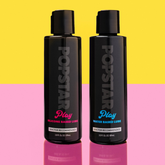


What Are Herbal Tinctures?
Herbal tinctures are concentrated liquid extracts made by steeping plant materials in solvents such as alcohol, glycerin, or vinegar. This process draws out and preserves the active compounds found in herbs, making them easy to consume in small, potent doses. Herbal tinctures are widely used in natural and integrative health for their convenience, fast absorption, and flexibility in use.
In men's health, herbal tinctures have become popular for supporting vitality, managing stress, balancing hormones, and promoting sexual wellbeing. While not a substitute for medical treatment, they are an accessible way to incorporate the benefits of medicinal plants into a daily wellness routine.
Key Takeaways
- Herbal tinctures are liquid extracts of herbs, used for wellness, convenience, and potency.
- Alcohol based herbal tinctures offer the longest shelf life and extract the most compounds.
- Glycerin and vinegar tinctures are preferred for alcohol-sensitive individuals but may be less potent.
- Herbal tincture benefits depend on the specific herb, not just the extraction method.
- Common herbal tincture uses for men include stress reduction, energy support, and sexual health.
- Quality, dosage, and individual health status greatly affect safety and effectiveness.
- Tinctures may interact with medications or cause side effects in some individuals.
- Natural herbal tinctures are not automatically safe—risks and precautions still apply.
- Third-party testing and reputable sourcing are essential for choosing high-quality tinctures.
- Always consult a healthcare provider before using herbal tinctures for men's health concerns.
Table of Contents
- What Are Herbal Tinctures?
- Quick Facts About Herbal Tinctures
- How Do Herbal Tinctures Work?
- Types of Herbal Tinctures
- What Are the Benefits of Herbal Tinctures?
- Common Uses of Herbal Tinctures for Men
- Risks and Safety Considerations
- How to Make Herbal Tinctures (General Overview)
- Myths vs. Facts About Herbal Tinctures
- When Should Men Seek Medical Guidance?
- Frequently Asked Questions About Herbal Tinctures
- References and Further Reading
- Disclaimer
Quick Facts About Herbal Tinctures
| Category | Details |
|---|---|
| What They Are | Concentrated herbal extract tinctures in liquid form |
| Common Solvents | Alcohol, glycerin, vinegar |
| Typical Uses | Managing stress, promoting energy, aiding digestion, supporting men's health |
| Main Advantages | Fast absorption, simple dosing, long shelf life, customized formulations |
| Shelf Life | Up to 5+ years (alcohol); ~1-3 years (glycerin); 1 year or less (vinegar) |
| Suitability | Individuals seeking natural wellness, including men concerned with vitality, stress, and sexual health |
| Herb Examples | Ashwagandha, maca, ginseng, horny goat weed, tribulus, saw palmetto, nettles |
| Potential Drawbacks | Risk of herb-drug interactions, variable product quality, possible allergic reactions |
How Do Herbal Tinctures Work?
An herbal tincture is created by soaking chopped or dried plant parts in a solvent, which extracts (dissolves) the herb’s bioactive chemicals. Alcohol is the most efficient solvent, as it can extract alkaloids, glycosides, essential oils, and other beneficial compounds, while also acting as a preservative. Glycerin and vinegar can be used as alternatives for those avoiding alcohol, but may extract a narrower spectrum of compounds.
After several weeks of steeping and occasional shaking, the mixture is strained, and the resulting liquid tincture can be stored in a sealed bottle. Tinctures are usually taken sublingually (under the tongue) or added to water—delivering active compounds directly into the bloodstream for faster effects compared to tablets or capsules.
Key Point: Alcohol-based tinctures offer the widest extraction range and longest shelf life, but alcohol-free options are available for those who cannot or prefer not to consume alcohol.
Types of Herbal Tinctures
Herbal tinctures can be classified based on the solvent used for extraction and preservation. Each type has unique characteristics, health implications, and suitability for different users.
Alcohol-Based Herbal Tinctures
- Most concentrated and potent form
- Extracts a wide variety of both water-soluble and fat-soluble plant compounds
- Longest shelf life (often 5 years or more)
- Not suitable for all populations (e.g., those recovering from alcohol dependence, children, or some religious groups)
Glycerin Herbal Tinctures (Glycerites)
- Use plant-derived glycerin as a solvent
- Milder, sweet taste; appealing to children and those avoiding alcohol
- Extract fewer compounds than alcohol, therefore may be less potent or shelf-stable
- Shelf life typically 1-3 years
Vinegar Herbal Tinctures (Acetums)
- Vinegar, often apple cider vinegar, as the extracting agent
- Useful for herbs high in minerals, as vinegar can extract minerals better than alcohol or glycerin
- Shelf life around 1 year
- Common for culinary applications or for those avoiding other solvents
| Solvent Type | Extraction Power | Shelf Life | Taste Profile | Suitability |
|---|---|---|---|---|
| Alcohol | Highest | 5+ years | Neutral/strong | Most adults, maximum potency |
| Glycerin | Moderate | 1-3 years | Sweet | Children, alcohol-averse adults |
| Vinegar | Lowest | ~1 year | Tart/acidic | Mineral-rich herbs, culinary uses |
What Are the Benefits of Herbal Tinctures?
The benefits of herbal tinctures depend primarily on the herb used, but tinctures in general offer several practical and wellness advantages:
- Convenience: Small doses, easy to measure, carry, and incorporate into daily routines.
- Fast Absorption: Sublingual delivery bypasses much of the digestive process for quicker uptake.
- Preservation: Alcohol-based tinctures maintain potency for years, reducing waste and cost.
- Customizable: Easy to blend multiple herbs or adjust strength for personal needs.
- Potency: More concentrated than teas or capsules, allowing for effective small doses.
- Versatility: Available in alcohol, glycerin, and vinegar bases for different needs.
Specific herbal tincture benefits (for example, with ashwagandha or maca) can include:
- Adaptogenic stress support
- Possible improvements in energy and endurance
- Support for mood balance
- Enhancements in libido and sexual function [see research on maca: https://pubmed.ncbi.nlm.nih.gov/12472620/]
- Support for sleep quality and relaxation
- Aid in digestion and gut comfort
Did you know? The effects of a tincture come from the herb itself, not simply the extraction method. Choose herbs with research or traditional use recommendations that meet your wellness goals.
Common Uses of Herbal Tinctures for Men
Herbal tinctures for men are used in multiple areas of physical and mental wellbeing, with a few herbs and combinations especially common in formulas targeted at male health:
- Energy and Stamina: Ginseng, maca, and rhodiola for athletic and sexual energy [Geng, J. et al., https://pubmed.ncbi.nlm.nih.gov/25118174/]
- Stress Reduction: Ashwagandha, holy basil, rhodiola for lowering cortisol and nervous system tension
- Hormonal Balance: Tribulus, nettle root, and saw palmetto for testosterone support or prostate health
- Sexual Wellbeing: Horny goat weed, maca, yohimbe for libido and erectile support [Ismail, S. et al., https://pubmed.ncbi.nlm.nih.gov/26317318/]
- Cardiovascular Support: Hawthorn, garlic, and ginger for blood circulation
- Immune System: Echinacea, astragalus, elderberry for immune resilience
| Area of Focus | Herb Examples | Evidence Level |
|---|---|---|
| Stress & Mood | Ashwagandha, rhodiola, holy basil | Moderate/growing |
| Energy & Stamina | Ginseng, maca, cordyceps | Moderate |
| Libido/Erection | Horny goat weed, maca, tribulus, yohimbe | Limited/mixed |
| Hormone/Prostate | Tribulus, saw palmetto, nettle root | Moderate |
| Heart/Circulation | Hawthorn, garlic, ginger | Moderate |
Key Point: Scientific support varies considerably by herb; some are well-studied, others rely mainly on tradition. Always research specific herbs and consult a healthcare professional.
Risks and Safety Considerations
Common Risks
- Allergic Reactions: Even natural herbs can cause allergic responses or intolerances.
- Interactions with Medications: Many plant compounds may amplify or block prescription drugs (e.g., St. John’s Wort with antidepressants) [Izzo, A.A. et al., https://pubmed.ncbi.nlm.nih.gov/16093224/].
- Digestive Discomfort: Nausea, cramping, or diarrhea can occur, especially at higher doses or with sensitive stomachs.
- Inaccurate Labeling: Variable herb quality, dose inconsistencies, or contaminants are possible, especially in poorly regulated markets.
Red Flags to Watch For
- Persistent side effects: Ongoing headaches, mood changes, skin reactions, or sleep problems.
- Unexplained symptoms: New or worsening symptoms after starting a tincture.
- Medication changes: Unexpected changes in blood pressure, heart rate, or blood sugar.
| Risk | How to Reduce It |
|---|---|
| Medication interaction | Review all meds with your doctor or pharmacist |
| Poor product quality | Buy only from certified, reputable brands |
| Dose-related discomfort | Start low, increase slowly, and follow label directions |
| Contaminants or adulterants | Look for third-party tested or certified organic products |
Did you know? "Natural" does NOT always mean "safe." Many highly toxic substances are natural; careful sourcing and personalized medical advice are vital.
How to Make Herbal Tinctures (General Overview)
While most people purchase ready-made tinctures, some prefer to prepare their own. Here’s an overview—not a full recipe or medical recommendation:
Basic steps:
- Choose an herb (dried or fresh, depending on the plant and observation of safety guidelines).
- Select a solvent (typically 40-60% alcohol like vodka, vegetable glycerin, or apple cider vinegar).
- Place the herb in a glass jar and completely cover with the solvent.
- Seal and store in a cool, dark location for 4-6 weeks, shaking occasionally.
- Strain through cheesecloth or a coffee filter.
- Bottle the filtered liquid in a dropper bottle and label with contents and date.
Key Point: DIY herbal tinctures can vary widely in strength and purity. Consult reliable guides and consider potential risks. Commercial tinctures are standardized and safer for most users.
Myths vs. Facts About Herbal Tinctures
| Myth | Fact |
|---|---|
| Tinctures cure diseases by themselves | Tinctures may support wellness, but are not cures for medical conditions |
| All tinctures are safe because they are natural | "Natural" products can still cause allergies, reactions, or drug interactions |
| More tincture always works better/faster | Higher doses do not ensure stronger effects, and may increase risks |
| Any tincture is suitable for everyone | Choice of herb and solvent must match individual needs and health status |
| Alcohol-based means you’ll feel intoxicated | The alcohol dose per serving is extremely low and not intoxicating |
Did you know? Even common culinary herbs can have strong biological effects at tincture-level concentrations.
When Should Men Seek Medical Guidance?
Men considering herbal tinctures should consult a healthcare provider if:
- They have a chronic medical condition (heart disease, diabetes, mental health issues)
- They take any prescription medication (to rule out dangerous interactions)
- They experience any new, persistent, or worsening symptoms after starting a tincture
- They wish to use herbal tinctures for serious or persistent concerns like erectile dysfunction or hormonal issues
Key Point: Never stop, change, or add supplements to a treatment plan without input from a qualified provider.
Frequently Asked Questions About Herbal Tinctures
What does "herbal tincture" mean in men's health?
An herbal tincture refers to a concentrated plant extract in liquid form, used for various aspects of men's health such as energy, stress support, hormonal balance, and sexual wellbeing.
Are herbal tinctures safe for men to use?
Most are safe when used as directed, but safety depends on the herb, dose, solvent, overall health, and medication use. Always consult your provider first, especially if you have a chronic illness or take medication.
What are the main herbal tincture benefits for men?
Key benefits may include increased convenience, potency, flexibility of use, and in some cases, support for stress, energy, or sexual function. Evidence for specific effects depends on the herb chosen.
How can men use herbal tinctures for stress or energy?
Many men's blends contain adaptogenic herbs like ashwagandha, ginseng, or rhodiola, which have been studied for effects on cortisol, resilience, and stamina. Effects may take several weeks of regular use.
Are alcohol-based herbal tinctures the best option for men?
Alcohol-based tinctures remain the gold standard for extraction and shelf life, but alcohol-free versions are available for those avoiding alcohol. Potency and storage time may be lower with non-alcohol solvents.
What is the difference between natural and commercial herbal tinctures?
"Natural" typically means plant-based and without artificial additives, but quality varies. Commercial tinctures are often third-party tested and standardized, while homemade tinctures can have inconsistent results.
How much alcohol is in a typical tincture dose?
A standard dose contains about the same alcohol as a ripe banana or glass of orange juice (less than 1g). Most people experience no intoxicating effect.
Can herbal tinctures interact with medications?
Yes, certain herbs can interact with blood thinners, antidepressants, heart or blood pressure medications, and others. Always check with your provider or pharmacist before combining herbs with prescriptions.
Are glycerin or vinegar tinctures effective?
They can be useful, especially for children or those who cannot have alcohol, but may not extract the full spectrum of compounds. Their shelf life is also shorter.
How can I tell if a herbal tincture is high quality?
Look for products from reputable brands, with clear labeling, organic sourcing, and ideally third-party testing for purity and potency.
Can herbal tinctures replace my medication?
No. Tinctures may be supportive but are not substitutes for medication in managing medical conditions.
How long do tinctures last once opened?
Alcohol-based tinctures last up to 5 years if stored away from light and heat. Glycerin and vinegar tinctures have a shorter shelf life—typically 6-24 months.
Can herbal tinctures help with sexual function?
Some herbs, such as maca or horny goat weed, have traditional or limited clinical evidence for supporting sexual arousal or performance in men. Effects vary by individual.
Should men take tinctures daily?
This depends on the herb, goal, and health status. Follow label directions or practitioner advice, and periodically reassess your needs.
Are herbal tinctures suitable for men with chronic illnesses?
Some may be used under medical guidance, but many herbs interact with common medications or may not be safe for those with certain conditions.
How do I talk to my doctor about wanting to use herbal tinctures?
Be open about your interest, bring information about the product, and ask about specific interactions or contraindications for your health profile.
Are there allergies or side effects to consider?
Yes, although uncommon, allergies, rashes, digestive issues, or mood changes can occur. Monitor your body's reaction carefully.
Is “more” always better with tinctures?
No. Higher doses can lead to more side effects, but not necessarily better results. Start with recommended doses and titrate slowly as needed.
Where do I find reliable guidance on herbal tinctures?
Seek information from licensed herbalists, integrative medicine specialists, or reputable medical resources—not only online forums.
Is it difficult to make your own tinctures at home?
Home tincture-making is possible, but requires knowledge of herb identification, ratios, and safety. Errors in preparation can risk toxicity or contamination.
References and Further Reading
- Geng, J., et al. "Effect of ginseng on sexual function in men: Systematic review." https://pubmed.ncbi.nlm.nih.gov/25118174/
- Ismail, S., et al. "Tribulus terrestris for sexual health in men: A systematic review and meta-analysis." https://pubmed.ncbi.nlm.nih.gov/26317318/
- Izzo, A.A., Ernst, E. "Interactions between herbal medicines and prescribed drugs: An updated systematic review." https://pubmed.ncbi.nlm.nih.gov/16093224/
- Gonzales, G.F., et al. "Effect of Lepidium meyenii (maca) on sexual desire and its absence in healthy adult men." https://pubmed.ncbi.nlm.nih.gov/12472620/
- American Botanical Council. "Herbal Safety and Quality." https://www.herbalgram.org/
- National Institutes of Health: Office of Dietary Supplements. "Herbs at a Glance." https://ods.od.nih.gov/factsheets/list-herbsupplements/
- American Urological Association. "Supplements and Sexual Health." https://www.auanet.org/
- Mayo Clinic. "Herbal Supplements: What to Know Before You Buy." https://www.mayoclinic.org/healthy-lifestyle/consumer-health/in-depth/herbal-supplements/art-20046488
- ConsumerLab. "How to Choose Quality Herbal Products." https://www.consumerlab.com/
- US Food & Drug Administration. "Tips for the Savvy Supplement User." https://www.fda.gov/food/dietary-supplements/tips-savvy-supplement-user-making-informed-decisions-and-evaluating-information
Disclaimer
This article is for informational and educational purposes only and does not constitute medical or mental health advice. It is not a substitute for speaking with a qualified healthcare provider, licensed therapist, or other professional who can consider your individual situation.
For further questions about herbal tinctures for men’s health, always consult a qualified medical professional or certified herbalist.