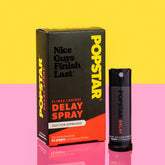



What Is Premature Ejaculation?
Premature ejaculation (PE) is a common and treatable sexual dysfunction in men, defined by ejaculation that consistently occurs sooner than a man or his partner wishes. It usually happens with minimal sexual stimulation or just after penetration, often within about one minute. Clinically, PE is characterized by an inability to delay ejaculation, leading to personal distress, frustration, or the avoidance of sexual intimacy. While brief, early ejaculation is common at some stages of life, PE is only diagnosed when the problem is persistent and causes ongoing distress or relationship challenges.
Key Point: Premature ejaculation is not a sign of weakness or failure. It is one of the most common male sexual health concerns and can be addressed with evidence-based approaches.
Key Takeaways
- Premature ejaculation is characterized by ejaculation that occurs earlier than desired, typically within one minute during sexual intercourse.
- There are two main types: lifelong (primary) premature ejaculation and acquired (secondary) premature ejaculation.
- Premature ejaculation causes include psychological (anxiety, stress), biological (hormonal, neurochemical), and relational factors.
- Premature ejaculation treatment options range from behavioral methods and therapy to medications and lifestyle changes.
- The condition affects up to 30% of adult men worldwide.
- Open, supportive communication with partners and healthcare professionals leads to the best outcomes.
- Untreated PE can impact mental health, self-esteem, and relationship satisfaction.
- Help is available and seeking assistance is a positive step toward better sexual health.
- A thorough diagnosis considers frequency, loss of control, emotional impact, and effects on relationships.
- PE is highly treatable—goal is improved control and satisfaction, not perfection.
Table of Contents
- What Is Premature Ejaculation?
- Quick Facts About Premature Ejaculation
- What Are the Types of Premature Ejaculation?
- What Causes Premature Ejaculation in Men?
- What Are the Symptoms and How Is Premature Ejaculation Diagnosed?
- What Are the Treatment Options for Premature Ejaculation?
- How Can Premature Ejaculation Be Prevented or Minimized?
- Consent, Communication, and Relationship Considerations
- When Should Men Seek Professional Help for Premature Ejaculation?
- Frequently Asked Questions About Premature Ejaculation
- References and Further Reading
- Disclaimer
Quick Facts About Premature Ejaculation
| Aspect | Details |
|---|---|
| Definition | Consistently ejaculating before or within about one minute of vaginal penetration or earlier than desired, causing distress |
| Types | Lifelong (present from first sexual experience) and Acquired (develops after a period of normal control) |
| Prevalence | Estimated 20–30% of adult men globally Porst et al., 2007 |
| Common Causes | Psychological (anxiety, depression), biological (neurotransmitters, hormones), relationship factors |
| Treatments | Behavioral therapy, counseling, medication, pelvic floor exercises, topical anesthetics |
| Who Should Seek Help | Men with ongoing distress, relationship difficulties, or significant loss of sexual satisfaction |
| Risk Factors | Performance anxiety, mood disorders, chronic health problems, medication side effects, substance misuse |
| Prognosis | Generally very good; many men see improvement or resolve symptoms with proper help |
| Associated Conditions | Can co-occur with erectile dysfunction, depression, or other sexual health challenges |
| Confidentiality | Consultations are private and confidential; discussing PE with providers is safe and encouraged |
What Are the Types of Premature Ejaculation?
Premature ejaculation is classified based on onset and consistency of symptoms. Understanding the type can guide more effective treatment and expectation setting.
Lifelong (Primary) Premature Ejaculation
Lifelong PE refers to symptoms present from a man's earliest sexual activities. It typically involves:
- Ejaculation within about one minute of penetration or sometimes before penetration occurs.
- Persistent inability to delay ejaculation regardless of circumstances, partner, or position.
- Ongoing distress about sexual performance, sometimes leading to avoidance of sexual activity.
Most experts suspect a strong biological or genetic component in lifelong PE, possibly involving differences in neurotransmitters, inherited patterns, or unique responses to sexual stimulation McMahon, 2005.
Acquired (Secondary) Premature Ejaculation
Acquired PE develops after a period of previously normal sexual function. Typical triggers or causes include:
- Medical conditions (e.g., prostatitis, thyroid disorders)
- Psychological stress (life changes, anxiety, relationship conflict)
- Substance use or medication side effects
- Erectile dysfunction (where anxiety about maintaining an erection prompts rushing)
Did you know? Acquired PE often responds better to targeted treatment because it is frequently linked to remediable medical or life factors.
Recognizing whether PE is lifelong or acquired is important for choosing a suitable therapy plan.
What Causes Premature Ejaculation in Men?
The causes of premature ejaculation are varied and complex, usually involving several overlapping psychological, biological, and relationship factors.
Psychological Factors
- Performance anxiety: Fear of not satisfying a partner may heighten arousal and shorten ejaculatory latency Rowland, 2014.
- Stress: Everyday or acute stress diminishes the ability to relax and delay climax.
- Depression: Mood disorders are linked with all types of sexual dysfunction.
- Relationship issues: Ongoing conflict, lack of trust, or poor communication may amplify symptoms.
- Early sexual experiences: Growing up with rushed, secretive, or pressured sex can create lasting patterns.
Biological and Medical Factors
- Neurotransmitter imbalances: Low central serotonin is associated with poor ejaculatory control Waldinger et al., 2004.
- Hormonal imbalances: Conditions like hyperthyroidism or low testosterone can contribute Carani et al., 2009.
- Genetic factors: Family history appears to increase risk.
- Prostatitis (prostate inflammation): Can alter ejaculation patterns.
- Erectile dysfunction: Trying to “hurry before losing erection” can reinforce PE patterns Rowland et al., 2014.
Lifestyle and Environmental Factors
- Alcohol and substance misuse: Disrupts sexual response and satisfaction.
- Medication side effects: Particularly with some antidepressants, blood pressure medications, and recreational drugs.
- Physical inactivity: Being out of shape may indirectly raise risk by contributing to stress and general unhealthiness.
Myths vs. Facts About Premature Ejaculation
| Myth | Fact |
|---|---|
| "Only young or inexperienced men have PE." | PE can affect men of any age, regardless of sexual experience. |
| "PE is always psychological." | Biological and medical causes are just as important as psychological stress. |
| "PE is permanent and untreatable." | Most men see significant improvement with proper combinations of therapies. |
| "Too much excitement always causes PE." | Underlying neurobiology and other medical factors often play a significant role, not just arousal. |
What Are the Symptoms and How Is Premature Ejaculation Diagnosed?
Premature ejaculation can have broad effects—impacting not just sexual experiences but also self-confidence and relationships.
Symptoms of Premature Ejaculation
- Consistently ejaculating within one minute of penetration or even before.
- Repeated inability to delay ejaculation during nearly all sexual encounters.
- Distress, shame, or frustration about the inability to control ejaculation.
- Avoidance of sexual activity due to embarrassment or partner dissatisfaction.
- Relationship tension stemming from lack of mutual satisfaction.
Occasional early ejaculation is extremely common and usually not concerning. Medical attention is warranted when PE is continual, recurring, and causes emotional or relationship difficulty Althof, 2014.
How Is Premature Ejaculation Diagnosed?
Diagnosis typically involves:
- Detailed medical & sexual history: How long PE has been present, frequency, severity, triggers, and impacts.
- Physical examination: Checking for hormonal, neurological, or other medical issues.
- Validated questionnaires: Tools like the Premature Ejaculation Diagnostic Tool (PEDT) help standardize diagnosis.
- Lab tests (if indicated): Hormone panels, thyroid function, or other tests when secondary PE is suspected.
Key Point: Honest, open communication with your healthcare provider supports accurate diagnosis and the best treatment plan.
What Are the Treatment Options for Premature Ejaculation?
There is no single “cure” for premature ejaculation, but combination therapies are proven to help most men. Individualized approaches often yield the best results.
Behavioral Techniques
- Start-Stop Technique: Pausing sexual stimulation as climax approaches, then resuming after arousal decreases.
- Squeeze Technique: Gently squeezing the penis near the tip to temporarily delay ejaculation Waldinger et al., 2004.
- Pelvic floor exercises (Kegels): Strengthening pubococcygeal muscles may improve voluntary ejaculatory control.
Stepwise Strategy: Using Behavioral Techniques
- Openly discuss concerns with your partner when possible.
- Learn to recognize the sensation just before ejaculation (“point of inevitability”).
- With practice, employ start-stop or squeeze techniques multiple times a week.
- Progress may take weeks or months—consistency is key.
- If needed, seek guidance from a sex therapist for tailored support.
Psychological and Sex Therapy
- Cognitive-behavioral therapy (CBT): Targets anxious thoughts and perfectionism, builds relaxation skills McMahon, 2005.
- Mindfulness training: Focuses on present sensations, dampening anxiety about performance.
- Couples therapy: For cases where communication, trust, or relational issues are central.
Premature Ejaculation Medication
- Selective serotonin reuptake inhibitors (SSRIs): Such as paroxetine, sertraline, or fluoxetine (antidepressants used “off-label” for PE) Giuliano et al., 2009.
- Topical anesthetics: Lidocaine or prilocaine creams and sprays blunt sensitivity, delaying ejaculation Salonia et al., 2010.
- Phosphodiesterase type 5 inhibitors (PDE5is): Sildenafil and similar medications are primarily for erectile dysfunction but may help if ED and PE co-occur.
Did you know? While no medications are FDA-approved specifically for PE in most countries, “off-label” medications are widely prescribed and supported by clinical research.
Other/Alternative Treatments
- Supplements/herbal remedies: Some are marketed for PE, but their efficacy is unproven and some carry risks.
- Acupuncture: There is some emerging evidence for benefit, but more research is needed [citation needed].
Risks and Side Effects Table
| Treatment Approach | Potential Risks/Side Effects | Ways to Reduce Risk |
|---|---|---|
| SSRIs (antidepressants) | Nausea, fatigue, libido changes, ED | Use lowest dose, regular check-ups |
| Topical anesthetics | Numbness, lowered pleasure, partner effect | Apply sparingly, wash before sex |
| Behavioral techniques | Minimal; patience, motivation required | Professional guidance if helpful |
| Supplements/Herbals | Allergy, drug interactions, unknown risks | Medical supervision only |
How Can Premature Ejaculation Be Prevented or Minimized?
Not every case can be fully prevented. However, there are many ways to reduce risk and better manage symptoms.
Lifestyle and Self-Management Strategies
- Stress management: Relaxation techniques (deep breathing, mindfulness, meditation) lower arousal and regulate response.
- Regular sexual activity: Intercourse or masturbation may help some men gain better control over time.
- Exercise and general health: Aerobic and resistance exercise is associated with better sexual function.
- Sleep and rest: Chronic fatigue can worsen all sexual dysfunctions.
- Balanced diet: Diets rich in fruits, vegetables, and lean proteins support overall health.
- Limit alcohol, avoid drugs: Both can affect arousal and recovery Waldinger, 2014.
Open Partner Communication
- Discuss concerns: Reduce shame, clarify expectations, and share responsibility.
- Explore alternatives: Non-penetrative intimacy, changed pacing, or guided exercises can reduce pressure and increase satisfaction.
Pelvic Floor Muscle Training
- Kegel exercises: Identifying and strengthening pelvic muscles is effective for ejaculatory control in some men Pastore et al., 2020.
Consent, Communication, and Relationship Considerations
PE is not just an individual issue—it impacts couples and relationships. Open, empathetic communication is crucial for managing both the condition and its emotional, relational side effects.
- Consent and boundaries: Both partners should feel safe discussing wants, needs, and limits.
-
Communication strategies:
- Use “I” statements (e.g. “I’m frustrated with how quickly I climax, and I want us to work through this together”).
- Focus on mutual satisfaction, not blame or guilt.
- Treat PE as a shared challenge—not a solo failing.
-
Conflict resolution:
- Couples may experience frustration or disappointment. A counselor or therapist can facilitate productive, healing conversations.
- Exploring broader intimacy can enhance closeness even while addressing PE.
Key Point: Addressing PE together as a couple—rather than in secret—helps build trust, connection, and partnership around solutions.
When Should Men Seek Professional Help for Premature Ejaculation?
Men are advised to seek a healthcare provider’s advice if:
- PE occurs most or all of the time and causes distress to them or their partner.
- The problem is new or appeared suddenly (especially acquired PE).
- Other symptoms are present, such as pain, erectile dysfunction, or unexplained mood changes.
- Self-help efforts have not made a meaningful difference after several months.
Qualified providers include:
- Primary care physicians: For initial assessment and referral.
- Urologists: Experts in male reproductive and sexual health.
- Sex therapists or mental health professionals: For psychological and relationship components.
Seeking help is a positive, proactive act and a sign of self-care and respect for oneself and one’s relationship.
Frequently Asked Questions About Premature Ejaculation
What does premature ejaculation mean in men's sexual health?
Premature ejaculation means a man ejaculates sooner than he or his partner wants, typically within one minute of penetration or before intercourse starts. This issue can cause personal distress and relationship strain, but it is highly treatable with the right support and strategies.
Is premature ejaculation normal for men or couples?
Occasional PE happens to almost everyone and is considered normal, especially under stress or with a new partner. When it is persistent and distressing, it becomes a medical issue rather than just a temporary concern.
Is premature ejaculation dangerous?
PE is not physically harmful and does not endanger physical health. However, the psychological effects (anxiety, low self-esteem, and relationship stress) can be significant if the problem remains unaddressed.
Can premature ejaculation affect erections or overall performance?
Yes. Men with PE sometimes develop performance anxiety or erectile dysfunction, which can create a cycle of increasing difficulty with control and satisfaction Rowland et al., 2014.
Can premature ejaculation improve intimacy, or could it harm relationships?
While often frustrating, PE can actually help deepen intimacy if both partners address it together with honesty and mutual support. Open discussions build trust and teamwork.
Are there physical health risks with premature ejaculation?
PE itself is not a direct health threat. However, it can sometimes signal underlying conditions (like prostatitis or thyroid problems) that benefit from medical evaluation.
What are the emotional risks of premature ejaculation?
PE is linked to higher rates of anxiety, shame, guilt, loss of confidence, and sometimes depression. It may also worsen tension or dissatisfaction in a relationship if left unresolved.
What causes premature ejaculation most commonly?
A blend of psychological (anxiety, stress, relationship issues) and biological (neurotransmitter, hormonal, genetic) factors contribute, as well as some medical conditions.
How can men approach PE treatment safely and respectfully?
- Communicate openly with partners about challenges and feelings.
- Seek professional guidance—avoid self-medicating or trying risky internet solutions.
- Be patient—evidence-based methods take time and commitment.
When should I avoid certain premature ejaculation treatments?
Avoid using medications or supplements not recommended by your healthcare provider and be cautious with any “over-the-counter” PE products that promise instant cures.
How do I talk to my partner about premature ejaculation without causing embarrassment?
- Find a relaxed, private time to talk.
- Use “I” phrases about your feelings and concerns.
- Emphasize your desire to work together for both partners’ satisfaction.
Can premature ejaculation be a sign of a deeper relationship issue?
It can. Sometimes persistent PE reflects or aggravates relationship difficulties, lack of communication, or emotional distance. Addressing both sexual and relational concerns leads to better outcomes.
What should I do if my partner feels uncomfortable with premature ejaculation?
Start a calm, honest conversation about their feelings. Invite them into the problem-solving process, and consider couples therapy if the issue creates significant tension.
When should I consult a doctor about premature ejaculation?
If PE occurs consistently, creates distress, causes problems in your relationship, or comes with other symptoms (like pain or ED), see a qualified healthcare provider.
Is there a permanent cure for premature ejaculation?
There is no quick “miracle” cure, but most men see substantial, lasting improvement through behavioral, psychological, and sometimes medical interventions when committed to the process.
Are there effective medications for premature ejaculation?
Yes. Several SSRIs and topical anesthetics are used “off-label” and have demonstrated benefit. Always discuss options and potential side effects with your doctor Salonia et al., 2010.
Do lifestyle changes help prevent or manage premature ejaculation?
Absolutely. Reducing stress, maintaining an active lifestyle, eating well, limiting alcohol, and communicating openly all improve overall sexual health and control.
Can counseling or therapy really help with premature ejaculation?
Yes. Especially when PE is complicated by anxiety, relationship conflict, or learned behaviors, therapy has a strong success record McMahon, 2005.
References and Further Reading
- Porst H, et al. Premature ejaculation: definitions and prevalence. https://pubmed.ncbi.nlm.nih.gov/17767086/
- McMahon CG. Premature ejaculation: past, present, and future perspectives. https://pubmed.ncbi.nlm.nih.gov/15910556/
- Rowland DL. Psychological vulnerability and premature ejaculation. https://pubmed.ncbi.nlm.nih.gov/25267907/
- Waldinger MD et al. Neurobiological factors in premature ejaculation. https://pubmed.ncbi.nlm.nih.gov/15135219/
- Carani C, et al. Thyroid hormone and ejaculatory function. https://pubmed.ncbi.nlm.nih.gov/19402736/
- Althof SE. Psychological treatment strategies for premature ejaculation. https://pubmed.ncbi.nlm.nih.gov/25060888/
- Giuliano F, et al. SSRIs for premature ejaculation: review of the evidence. https://pubmed.ncbi.nlm.nih.gov/19402736/
- Salonia A, et al. Topical anesthetics in PE management. https://pubmed.ncbi.nlm.nih.gov/20228667/
- Pastore AL, et al. Pelvic floor rehabilitation for ejaculatory disorders. https://pubmed.ncbi.nlm.nih.gov/31973886/
- American Urological Association – PE Patient Guide
- National Institute of Diabetes and Digestive and Kidney Diseases (NIDDK): Sexual Health
- International Society for Sexual Medicine: Q&A
Disclaimer
This article is for informational and educational purposes only and does not constitute medical or mental health advice. It is not a substitute for speaking with a qualified healthcare provider, licensed therapist, or other professional who can consider your individual situation.